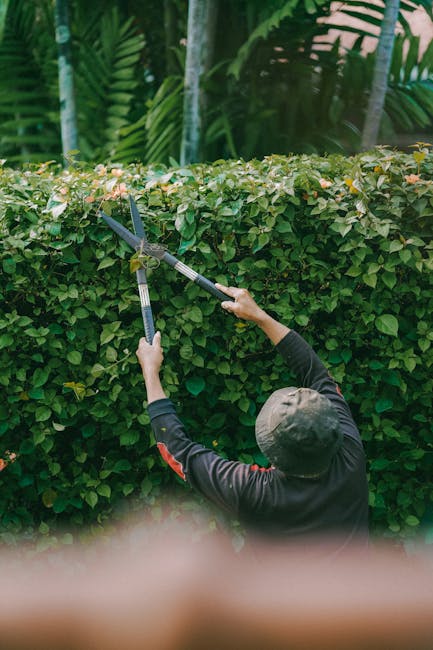
Tower Hamlets Council pruning rules for Whitechapel gardeners: a practical guide
If you garden in Whitechapel, pruning is rarely just a "cut it back and tidy it later" job. In a built-up part of East London, Tower Hamlets Council pruning rules for Whitechapel gardeners can shape what you trim, when you trim it, and how you deal with branches, waste, neighbours, and shared boundaries. Miss a detail and a simple hedge job can turn into a dispute, a safety issue, or a very awkward conversation over the fence.
This guide breaks the topic down in plain English. You will learn what matters most, how council expectations tend to work in practice, what gardeners should check before cutting, and how to stay sensible and compliant without overcomplicating the job. If you are weighing up professional help, it also shows where pruning fits alongside regular garden maintenance and more involved jobs like hedge trimming or tree lopping and removal.
Truth be told, most pruning problems are avoidable. The hard part is knowing which small choices matter. That is what this article is for.
Why Tower Hamlets Council pruning rules for Whitechapel gardeners Matters
Pruning seems simple until you are standing in a narrow terraced back garden with overgrown shrubs, a hanging branch over the pavement, and a neighbour who is already looking out of the window. In Whitechapel, where gardens are often compact and boundaries are close, pruning has a wider impact than it might in a bigger suburban plot.
The main reason it matters is that pruning affects more than appearance. It can affect light, privacy, access, drainage, safety, wildlife, and the health of the plant itself. A cut made at the wrong time can weaken a hedge. An over-enthusiastic reduction can stress a tree. And if a branch crosses a boundary, the practical question becomes part horticulture, part neighbour relations, part common sense.
Tower Hamlets Council is also likely to expect gardens and external areas to be kept in a condition that does not create nuisance, obstruction, or avoidable hazards. Even where there is no dramatic legal issue, council standards and local expectations push gardeners toward tidy, safe, responsible work. That means pruning is not just about neatness; it is about stewardship.
In a busy local setting, that often means:
- keeping growth from blocking pavements, paths, or shared access routes;
- avoiding damage to protected or ecologically sensitive planting;
- respecting boundary ownership and neighbour access;
- disposing of green waste properly;
- working safely near walls, fences, sheds, and public areas.
Small mistake, big headache. That is usually how it goes.
For many households, the easiest route is to fold pruning into a broader maintenance plan rather than treating it as a one-off scramble. Services such as garden clearance can help when the overgrowth has gone beyond a quick tidy-up, while services overview information is useful if you are comparing what kind of help you actually need.
How Tower Hamlets Council pruning rules for Whitechapel gardeners Works
There is rarely a single "pruning rule sheet" that covers every garden in every situation. In practice, gardeners have to work with several layers of expectation at once: local authority standards, property boundaries, safety duties, plant health, and ordinary neighbourly goodwill. The important thing is not to guess. It is to check before cutting.
Here is the practical logic most Whitechapel gardeners should follow.
1) Start with location and ownership
Before you prune, establish what is actually yours to cut. A hedge on your side of the boundary may be shared in appearance but still partly owned by a neighbour. A tree trunk might be in one garden, yet branches may extend over a wall. If you are unsure, pause. One tidy hour can turn into a real disagreement if the wrong plant is cut back too far.
2) Check whether the plant is subject to protection or special concern
Some trees and planting may be protected by local controls or planning restrictions. In older parts of London, that is not unusual. You do not need to assume everything is protected, but you should assume that some things might be. That is especially true with larger trees, street-facing trees, and anything that looks mature, established, or significant.
3) Separate routine pruning from major reduction
There is a world of difference between light pruning, hedge shaping, and major branch removal. Routine trimming is usually about keeping growth healthy and manageable. Bigger cuts can change the structure of a plant and may need more care, more planning, and in some cases more formal checking.
4) Think about timing, not just technique
Timing matters. Pruning at the wrong time of year can reduce flowering, disturb nesting birds, or leave a plant vulnerable to disease or dieback. You do not need to be overly cautious to the point of doing nothing. But you do need to be deliberate. A quick trim on a bright morning in spring may look harmless, yet it may not be the right moment for every species.
5) Keep public safety in mind
If a hedge, shrub, or branch affects a pavement, driveway, entrance, or communal path, the work has a public-facing side. Cuttings must be controlled, tools used carefully, and waste kept from creating slip or trip hazards. In practice, the job is not finished when the last cut is made; it is finished when the area is safe and clear.
6) Dispose of arisings properly
Pruning creates green waste, sometimes a lot of it. Left in a heap, it looks untidy and can attract pests or block access. Responsible disposal is part of the job. Many gardeners prefer to combine pruning with recycling and sustainability-minded handling, so clippings are separated, reused where appropriate, or cleared efficiently without unnecessary landfill-style thinking.
If you want one clean rule to remember, it is this: prune with the boundary, the plant, and the people around it in mind. All three.
Key Benefits and Practical Advantages
Following local pruning expectations is not just about avoiding trouble. Done properly, it improves how the whole garden functions. You feel it straight away in a small Whitechapel garden, where light and space are precious.
- Better plant health: sensible cuts reduce strain, improve air flow, and support balanced regrowth.
- Cleaner appearance: neat edges and controlled height make a garden look cared for rather than merely cut back.
- Lower dispute risk: clear boundary awareness helps prevent neighbour complaints.
- Safer access: trimmed growth reduces obstructions near paths, entrances, and communal areas.
- More usable space: in compact gardens, pruning can genuinely change how the space feels.
- Better long-term maintenance: regular, measured pruning is easier than rescue work every few months.
There is also a quiet psychological benefit that people often underestimate. A well-pruned garden feels calmer. You open the back door and there is light, air, and breathing room. That matters, especially in a dense urban area where outside space is already at a premium.
For landlords, letting agents, and busy homeowners, the practical upside is just as clear: a routine pruning plan can reduce callouts, cut down on complaint risk, and make the property easier to present well. If you are coordinating wider outdoor upkeep, it can fit neatly with lawn mowing or landscaping so the whole space works together, not in bits and pieces.
Who This Is For and When It Makes Sense
This topic matters to a surprisingly wide group of people. It is not just for professional gardeners with trailers full of tools. In Whitechapel, pruning rules and good practice come up in everyday life more often than you might think.
Homeowners
If you own a house with a small front or rear garden, you are usually the person responsible for keeping growth under control. That means checking boundary lines, managing hedge height, and making sure nothing spills into shared access areas. Even a tiny frontage can become a problem if it obscures sightlines or crowds the pavement.
Landlords and property managers
For rented homes, garden upkeep can drift quickly. One season of growth becomes two, and suddenly the work is no longer simple pruning. For these situations, regular visits from a trusted team, often combined with garden maintenance, make more sense than waiting until the garden becomes a complaint magnet.
Tenants
Some tenants are happy to clip a hedge or tidy a shrub. Others are understandably reluctant because they are not sure what they are allowed to touch. Fair enough. If the work may affect ownership boundaries or larger trees, it is better to ask first than to guess.
Professional gardeners
This is the obvious audience, of course, but even experienced gardeners benefit from a quick refresher. Different streets, different plots, different risks. The same trimming technique does not fit every situation. A Whitechapel rear garden with close fencing is a very different job from a wider plot with open access.
When it makes sense to act
- the hedge is shading windows or blocking light more than expected;
- branches are crossing boundaries or touching structures;
- the garden is starting to look unmanaged;
- you are preparing a property for sale or letting;
- storm damage has left broken limbs hanging loose;
- you need to clear the space before another landscaping project.
That last one crops up a lot. Before a new path, deck, fence repair, or layout change, pruning can make the next stage easier. A job like decking services often works better when the surrounding planting has already been cut back and the site is clear.
Step-by-Step Guidance
If you want to handle pruning in a sensible, council-aware way, this simple sequence will keep you out of most trouble. Nothing fancy. Just a careful order of operations.
- Inspect the garden slowly. Look from the boundary, from the house, and from the pavement side if relevant. Notice overhang, height, deadwood, and anything touching a fence or wall.
- Identify the plant. Hedge, shrub, climber, young tree, mature tree? Different growth types need different treatment. A hedge can often handle regular shaping. A tree may need more restrained, structural care.
- Check for obvious protection or special status. If a plant looks substantial, old, or street-facing, treat it with extra caution.
- Decide the purpose of the cut. Is this for clearance, shape, safety, airflow, flowering, or recovery after storm damage? If you do not know the purpose, you are more likely to cut too much.
- Use the least aggressive cut that solves the problem. This is one of those boring rules that saves a lot of grief later.
- Work cleanly and keep checking progress. Step back now and then. What looks fine up close can look harsh from five metres away.
- Manage waste as you go. Do not let clippings pile up around doorways, drains, or paving.
- Finish with a safety sweep. Check for sharp offcuts, loose branches, and hidden debris. Then give the area a final tidy.
One practical tip: if you are doing the work near a fence line, make sure your cuts are deliberate rather than sweeping and fast. The difference between controlled pruning and a slightly panicked flail with loppers is bigger than it sounds. We have all seen both.
Expert Tips for Better Results
Good pruning is partly technique, partly judgment, and partly restraint. The best-looking jobs usually do not advertise how much thought went into them, which is maybe why people underestimate the skill involved.
Prune for shape, not just size
A garden can look smaller if you simply chop everything down. That is not always the goal. A better result often comes from reshaping plants so they keep their natural line while staying manageable. It looks calmer and tends to recover better.
Use the "step back and squint" method
Honestly, this works. Step back, half-close your eyes, and look at the whole outline. It sounds a bit daft, but it helps spot lopsided sections and overcut areas before you finish the job.
Do not rush flowering shrubs
Some shrubs are planted for flowers as much as structure. If you prune them at the wrong time, you may remove the season's display. For households that want a garden to feel alive rather than over-controlled, timing is everything.
Keep tools sharp and clean
Clean cuts heal better. Blunt blades crush stems and leave ragged edges. That is bad for appearance and not ideal for plant recovery. A quick tool check before starting is a boring habit that pays off.
Think in layers
In compact gardens, pruning often needs to be layered: lower growth for access, mid-level growth for shape, upper growth for light. If you handle one layer well and ignore the rest, the garden can look oddly top-heavy.
Work with the weather, not against it
A dry, mild day is usually easier than a damp, windy one. Wet foliage can clump, and windy conditions can make cutting less precise. Autumn mornings can be crisp and bright, but if leaves are slick and the ground is soft underfoot, take the hint.
And one small thing that matters more than it should: tell the customer, tenant, or neighbour what you are doing before you start. People are far calmer when they know the plan. Funny how that works.
Common Mistakes to Avoid
Most pruning mistakes are not dramatic. They are the sort of small misjudgements that build up into bigger problems later. Here are the ones that come up again and again.
- Cutting too much at once. Heavy pruning can shock plants and leave an ugly recovery period.
- Ignoring the boundary. If a branch is overhanging, do not assume ownership is obvious.
- Using the same method for every plant. A hedge, rose, climber, and tree all need different care.
- Forgetting waste management. Clippings left behind can block drains, attract pests, or annoy neighbours.
- Working without checking for hazards. Hidden nails, unstable fencing, slippery paving, and nearby overhead lines are all worth a look.
- Pruning during the wrong phase. You may reduce flowering or disturb nesting wildlife.
- Leaving stubs. They look untidy and can invite dieback or awkward regrowth.
- Assuming a council issue is never a problem. If the garden fronts a public area or the tree looks significant, caution is the sensible route.
One of the most common errors, especially in a hurry, is treating pruning as an isolated task. It usually connects to the rest of the garden. If you prune without considering the next step, you can end up doing the same job twice. Nobody enjoys that.
Tools, Resources and Recommendations
You do not need a van full of specialist kit for every pruning job, but the right tools make a difference to safety and finish quality. The trick is choosing tools that suit the plant and the scale of the work.
Useful tools for routine pruning
- secateurs for small stems and precise cuts;
- loppers for thicker branches in tighter spots;
- hedge trimmers for even hedge lines;
- a pruning saw for larger limbs;
- gloves and eye protection;
- a sturdy sack, tarp, or collection method for clippings.
When to consider professional support
If the work involves tall hedges, awkward access, large shrubs, or trees close to boundaries, professional help is often the safer option. It is also a better fit when you need a consistent finish across an entire property, rather than one-off tidying. A team experienced in landscape gardening can judge how pruning interacts with the rest of the plot, which is often the bit homeowners underestimate.
For properties where the job is part of a bigger reset, garden clearance can remove the backlog first, then finer pruning can shape what is left. It sounds basic, but doing the messy part first usually saves time and frustration.
Useful non-technical habits
- keep a simple note of what was pruned and when;
- photograph boundary issues before work starts if there may be a dispute later;
- check the plant again two to four weeks later for stress or uneven regrowth;
- plan pruning as part of seasonal maintenance rather than as a panic response;
- agree access and disposal arrangements in advance.
If you are comparing services, practical support and transparent process matter as much as the cut itself. That is where pages like pricing and quotes, insurance and safety, and health and safety policy become useful for decision-making. Not glamorous, but important.
Law, Compliance, Standards, or Best Practice
Pruning in London sits in a wider framework of property responsibility, tree and hedge care, neighbour relations, and safety practice. This section is not about pretending every garden job needs a formal legal memo. It does not. But it would be careless to ignore the standards that usually apply.
For Whitechapel gardeners, the safest approach is to assume three things:
- You may need permission or extra care for protected or significant trees. Never assume a mature tree is fair game just because it is in a private garden.
- You should avoid causing nuisance or danger. Overgrowth onto a path, messy waste, and unstable cut branches are all preventable issues.
- You have a duty to work safely and competently. That includes using the right tool, the right method, and the right amount of caution.
Best practice also means respecting nesting wildlife, avoiding unnecessary disturbance, and not pruning more aggressively than the plant can reasonably handle. If there is any doubt about timing or scale, it is smarter to be conservative. A light delay is usually better than a heavy cut that causes long-term damage.
In a real-world sense, compliance is mostly about showing you thought before you cut. That may sound obvious, but it is exactly what separates professional-looking work from a rushed tidy-up.
If you are managing a larger property or coordinating multiple outdoor tasks, it can help to combine pruning with broader upkeep through service planning rather than tackling each issue in isolation.
Options, Methods, and Comparison Table
There are a few common ways gardeners approach pruning in Whitechapel. The best choice depends on the plant, the space, and how quickly the problem needs solving.
| Method | Best for | Pros | Watch-outs |
|---|---|---|---|
| Light routine pruning | Small shrubs, regular hedge maintenance, tidy-up work | Fast, low stress for plants, keeps growth controlled | Can be ineffective if the garden is already badly overgrown |
| Shaping and reduction | Hedges and shrubs needing a neater outline | Improves appearance and structure | Too much removal can leave gaps or thin patches |
| Safety pruning | Branches near paths, fences, entrances, or structures | Reduces hazard and improves access | May require more judgment than a simple trim |
| Restorative clearance-first approach | Severely neglected gardens | Creates breathing room before finer work | More labour, more waste, and sometimes a longer timeline |
| Tree-specific work | Mature trees, overhanging limbs, storm damage | More controlled and appropriate for woody plants | Higher risk if handled without proper skill |
In plain terms, if the garden is only a little untidy, light pruning is usually enough. If the plot has run away from you, a more staged approach makes sense. And if the plant is a tree rather than a hedge, treat it as its own category. That distinction saves a lot of trouble.
Case Study or Real-World Example
Here is a realistic Whitechapel scenario, drawn from the kind of work gardeners see all the time.
A small terraced house has a rear garden with a mixed hedge, a climbing plant near the fence, and two shrubs that have grown into the path leading to the back door. The homeowner wants it tidied before a family gathering. Nothing dramatic, just a cleaner space.
At first glance, the obvious temptation is to cut everything back hard and be done in one go. But that would leave the hedge looking flat, reduce screening, and possibly strip the flowering shrub too severely. Instead, the better approach is:
- check the boundary and confirm the hedge is within the client's control;
- remove dead or crossing stems first;
- shape the hedge lightly rather than hacking it down;
- trim the shrubs to restore access while keeping their form;
- clear all cuttings immediately so the path stays usable;
- step back and check the line from the patio door.
The result is not just neater. It feels more open. The back door swings freely, the path is safer, and the garden still has some softness and structure. That is the kind of outcome most people actually want, even if they ask for "just a quick cut."
In a second pass a few weeks later, the gardener can see where regrowth is strongest and fine-tune the shape. That is the smart version. Slow enough to be careful, quick enough to be practical.
Practical Checklist
Use this checklist before pruning in Whitechapel. It keeps the work tidy, safe, and less likely to cause avoidable issues.
- Confirm ownership and boundary lines.
- Check whether the plant could be protected or sensitive.
- Decide whether the job is routine pruning or major reduction.
- Choose the right tool for the plant and the cut.
- Look for hazards around fences, paths, walls, and access points.
- Plan waste collection before cutting starts.
- Avoid cutting more than needed.
- Keep the work area safe and clear while you work.
- Review the shape from a distance before finishing.
- Leave the space clean, tidy, and fully usable.
If you can tick those boxes, you are already ahead of a lot of rushed garden jobs. Not perfect, perhaps. But very solid.
Conclusion
Tower Hamlets Council pruning rules for Whitechapel gardeners are best understood as a blend of local care, safety awareness, boundary respect, and sensible plant management. They are not about making garden work harder than it needs to be. They are about stopping avoidable mistakes and helping outdoor spaces stay tidy, healthy, and manageable in a dense urban setting.
The main lesson is simple: before you cut, check what the plant is, where the boundary sits, what the timing means, and how the work affects neighbours and access. That one habit prevents most pruning problems. The rest is good technique, steady judgment, and a bit of patience. And honestly, a little patience goes a long way in gardening.
If your garden needs more than a quick trim, the safest next step is to get clear advice, plan the work properly, and use a team that treats pruning as part of the bigger picture, not just a fast chop-and-go. The garden will usually thank you for it.
Get a free quote today and see how much you can save.
Frequently Asked Questions
Do I need permission to prune a tree in Whitechapel?
Not always, but you should never assume a tree is unrestricted. If it is mature, visible from the street, or seems unusual in size or status, check carefully before pruning. When in doubt, treat it as a potential compliance issue rather than a simple garden task.
Can I cut back a neighbour's hedge if it grows into my garden?
Often you can trim back growth that crosses into your side, but only with care and only up to the boundary. It is better to avoid cutting beyond what is clearly on your side, and you should not damage the plant unnecessarily. If the hedge is shared or boundary-related, caution matters.
What is the difference between pruning and hedge trimming?
Hedge trimming is usually about shaping and keeping a hedge dense and even. Pruning is broader and can involve shrubs, climbers, and trees, often to improve health, structure, or safety. In practice, the two overlap, but they are not quite the same thing.
When is the best time to prune shrubs in East London?
It depends on the species. Some shrubs are best pruned after flowering, while others are better shaped during dormant periods or after a growth flush. If you are unsure, a cautious light trim is usually safer than a heavy seasonal cut.
What should I do with the green waste after pruning?
Collect it promptly and dispose of it responsibly. In a compact garden, waste left lying around quickly becomes awkward, especially near paths or drains. Many gardeners separate reusable material and keep the rest ready for proper removal or recycling.
Can pruning damage my plants if I do too much?
Yes. Over-pruning can stress plants, reduce flowering, create weak regrowth, and leave ugly bare sections. The safest rule is to remove only what is needed to solve the problem, then reassess later if more work is required.
Do council expectations apply to front gardens as well as back gardens?
Yes, front gardens can be even more sensitive because they affect the street scene, pavements, and access more directly. If a hedge or shrub is spilling onto a footpath or creating a visibility issue, it becomes a practical and sometimes civic concern very quickly.
Is it better to prune little and often or do one big cut?
Little and often is usually better for plant health and garden appearance. It keeps growth manageable and reduces shock. One big cut can be useful when a garden has been neglected, but even then it is often best done in stages.
How do I know if a gardener is working safely?
Look for a tidy work area, the right tools, controlled cutting, sensible handling of waste, and a clear approach to boundaries and access. Safety often shows in the small things. It is not flashy, but you can see it.
What if I am unsure whether a plant is protected?
Do not guess. Pause the work and seek clarification before cutting. A short delay is far better than pruning something that should have been left alone or handled differently. That one decision can save a lot of trouble.
Can pruning be part of a bigger garden tidy-up?
Absolutely. In many Whitechapel gardens, pruning works best as part of a broader reset that may include clearance, maintenance, mowing, and reshaping the overall layout. A joined-up approach usually gives a better result than piecemeal work.
What is the most common mistake gardeners make with pruning rules?
The most common mistake is assuming the job is purely visual. It is not. Pruning also affects boundaries, safety, access, timing, waste, and sometimes council considerations. Once you see it that way, the decisions become much easier to get right.