Whitechapel gardeners for small terraces Brick Lane E1
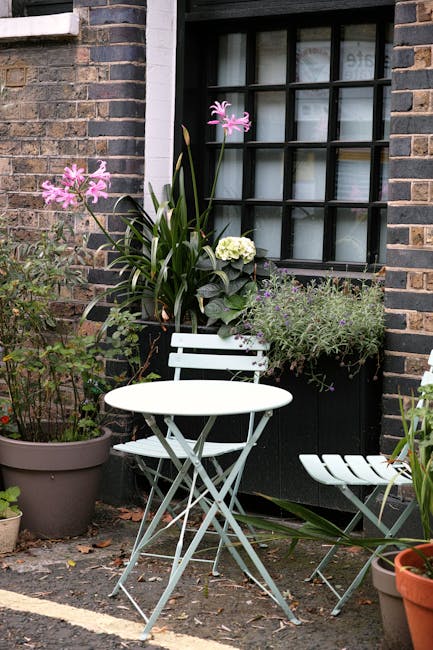
If you live around Brick Lane or anywhere in E1, you already know the challenge: a terrace can be tiny, overlooked, shaded, windy, and somehow still expect to look good all year. That is exactly where Whitechapel gardeners for small terraces Brick Lane E1 can make a proper difference. Not with vague "make it nicer" advice, but with practical design, planting, maintenance, and space-saving ideas that actually work in tight London gardens.
Small terraces have their own rules. There is less room for error, less soil volume, and often more pressure from nearby buildings, railings, and traffic dust. But they can still become calm, useful outdoor spaces. A good local gardener will understand how to balance privacy, light, drainage, seasonal interest, and easy upkeep without making the area feel cramped. Sounds simple. It rarely is. But it can be done, and done well.
This guide explains what to expect, how the work usually happens, what options suit compact terraces, and how to avoid the common mistakes that leave people with a space that looks fine for two weeks and then falls apart by autumn. You will also find a checklist, a comparison table, and a few realistic examples from the kind of small outdoor spaces common around Whitechapel and Brick Lane.
Table of Contents
- Why Whitechapel gardeners for small terraces Brick Lane E1 Matters
- How Whitechapel gardeners for small terraces Brick Lane E1 Works
- Key Benefits and Practical Advantages
- Who This Is For and When It Makes Sense
- Step-by-Step Guidance
- Expert Tips for Better Results
- Common Mistakes to Avoid
- Tools, Resources and Recommendations
- Law, Compliance, Standards, or Best Practice
- Options, Methods, or Comparison Table
- Case Study or Real-World Example
- Practical Checklist
- Conclusion
- Frequently Asked Questions
Why Whitechapel gardeners for small terraces Brick Lane E1 Matters
Small terraces in Whitechapel and around Brick Lane are often beautiful in location but awkward in layout. They might be narrow, north-facing, shaded by taller buildings, or exposed to a surprising amount of wind. Add the normal London realities - limited access, bins, bicycles, neighbours close by, and not much storage - and you have a space that needs thoughtful handling rather than a quick tidy-up.
That is why local gardening support matters. A gardener familiar with E1 can work with the conditions instead of fighting them. They will usually notice things that a generic gardener might miss: whether the terrace dries out too fast in summer, whether water pools near the back wall, whether a screen will block too much light, or whether a planting palette will look good from inside the flat as well as outside.
In our experience, the best small-terrace results come from people who treat the garden as a living extension of the home, not a leftover corner. You might only have a few square metres, but those few square metres can still become a place for coffee, herbs, evening light, and a bit of breathing room after a busy day. That matters more than people think. Especially in central East London, where outdoor space can feel like a small luxury.
It also matters because compact gardens age quickly when they are poorly planned. One awkward planter can make the whole terrace feel crowded. One thirsty plant in a windy spot can look tired within weeks. One badly chosen surface can become slippery or stained. So yes, local expertise is not just a nice-to-have. It is often the difference between a terrace that feels cared for and one that feels permanently unfinished.
How Whitechapel gardeners for small terraces Brick Lane E1 Works
The process is usually more measured than many people expect. A good gardener will start by looking at the existing space properly - not just the plants, but the light, the access, the drainage, the surfaces, and how you actually use the terrace day to day. Do you want seating? Do you need privacy? Are you hoping for low-maintenance greenery or a more layered, decorative look?
From there, they will usually build the plan in stages. That could mean clearing out old containers, improving soil, refreshing tired pots, reshaping beds, pruning overgrown plants, installing new planters, or setting up irrigation for easier watering. Sometimes it is one focused visit. Sometimes it becomes a short sequence of jobs over a few weeks. Depends on the condition of the terrace, and honestly, how ambitious the brief is.
For small terraces, the real craft is editing. A gardener is often not adding lots of things; they are choosing what to keep, what to remove, and what to replace with better proportioned elements. A compact bench can make a terrace feel purposeful. A tall but narrow evergreen can create privacy without swallowing the light. A mix of herbs and perennials can give movement without clutter. The trick is balance.
If you are comparing broader service options, it can also help to look at related local support such as garden maintenance in Whitechapel or lawn care services in Whitechapel if your outdoor space includes a patch of turf or shared green area. Not every terrace needs a lawn, of course, but the wider maintenance approach often overlaps.
Key Benefits and Practical Advantages
The benefits of professional help for a small terrace are practical first, decorative second. That may sound a little blunt, but it is true. A compact outdoor space has to earn its keep.
- Better use of limited space - a good layout makes even a tiny terrace feel easier to move through.
- Improved privacy - screened planting, trellis ideas, and height layering can soften overlooked spaces.
- Less ongoing stress - low-maintenance choices mean fewer dead plants, fewer emergency waterings, and fewer "I'll deal with it at the weekend" moments.
- Healthier planting - the right pots, compost, and drainage reduce common container-growing problems.
- Better year-round appearance - evergreen structure, winter stems, and seasonal rotation stop the terrace looking bare for long stretches.
- More usable living space - a smart terrace can function like an extra room in warmer months, even if it is only a modest one.
There is also a quieter benefit: confidence. When a terrace is designed sensibly, people use it more. They sit outside with a cup of tea in the morning. They keep the door open a bit longer in spring. They stop seeing the garden as a chore and start seeing it as part of the flat. That shift is real, and surprisingly powerful.
For ongoing care, some people prefer a light-touch arrangement, while others need regular attention. If you are unsure which direction suits your place, it can be useful to review seasonal garden maintenance in Whitechapel as a way to understand what different levels of support actually involve.
Who This Is For and When It Makes Sense
This kind of service makes sense for a wide range of people, not just homeowners with grand plans. In fact, small terraces often benefit the most because there is less room to recover from mistakes.
You may be the right fit if you:
- have a narrow terrace, balcony-style garden, or courtyard in Whitechapel or Brick Lane
- want a more attractive space but do not have the time to manage it properly
- need a terrace that feels private, tidy, and usable
- have inherited a garden full of tired containers or patchy planting
- are moving into a new flat and want the outdoor area sorted from the start
- prefer advice that is realistic for East London conditions, not glossy magazine fantasy
It also makes sense if you have tried doing it yourself and hit the usual wall: too much shade, plants drying out, not enough room for proper furniture, or the terrace simply not looking how you hoped. Let's face it, small gardens can be oddly stubborn. One minute they look promising, the next they are all leggy herbs and leaning pots.
If your terrace is part of a wider property refresh, you may also benefit from broader support such as residential garden services in Whitechapel or, for businesses with small outdoor areas, commercial gardening in Whitechapel. The principles overlap, even if the use case is different.
Step-by-Step Guidance
If you want the best result from Whitechapel gardeners for small terraces Brick Lane E1, it helps to understand the process before work starts. A clear brief saves time, money, and a lot of awkward back-and-forth.
1. Assess the terrace honestly
Start with the basics: size, light, wind, drainage, access, and how often you can water. A south-facing terrace with full sun will need very different planting from a shaded, enclosed courtyard. If the terrace gets late afternoon light only, that changes everything. No point pretending otherwise.
2. Decide what the space must do
Ask yourself what matters most. Do you want somewhere to sit? Grow herbs? Create privacy? Hide bin storage? Support pollinators? A small terrace cannot do everything well, so priorities matter. This is where the design becomes sensible instead of crowded.
3. Clear, prune, and simplify
Old compost, broken pots, tired annuals, and overgrown shrubs can make a terrace feel smaller than it is. Tidying and pruning often reveal more potential than expected. Sometimes the best first move is removal. A little ruthless, maybe, but necessary.
4. Build structure before adding detail
Set the foundation first: planters, trellis, seating, screening, and paths if needed. Then add the softer stuff like herbs, flowering plants, and seasonal colour. Structure is what makes a small terrace hold together visually.
5. Choose plants for the conditions, not just the look
Container choice matters, but plant choice matters more. A healthy, well-placed plant will always beat a fashionable one in the wrong spot. For compact terraces, a mix of evergreen structure and seasonal planting usually gives the best balance.
6. Put in a maintenance routine
Even low-maintenance gardens need a routine. Watering, feeding, deadheading, and checking drainage are small jobs, but they stop bigger problems later. If you are rarely home, ask about simple irrigation or drought-tolerant planting.
A lot of people want the finished result first and the process second. Fair enough. But with small terraces, the process is the result. If the groundwork is sound, the space tends to stay attractive for much longer.
Expert Tips for Better Results
Here are the practical things that usually make the biggest difference on compact terraces around E1. Nothing flashy. Just the stuff that quietly works.
- Use height carefully. Tall planting can create privacy, but it should never make the terrace feel boxed in.
- Repeat a small plant palette. Three or four well-chosen plants often look better than ten unrelated ones.
- Choose containers with proper drainage. Decorative pots without drainage holes can become a headache fast.
- Think in layers. Ground level, mid-level, and eye-level planting create depth in a small area.
- Pick one clear focal point. A bench, lantern, statement pot, or small tree gives the eye somewhere to rest.
- Leave a little space empty. This is underrated. Some breathing room makes a terrace feel bigger.
A useful rule of thumb: if something seems "almost right" but slightly too big for the space, it probably is too big. Small terraces forgive very little. But they also reward good judgment very well.
And one more thing - in East London, terraces can get dusty, windblown, and a bit battered from traffic and weather. Choose materials and planting that can handle that reality. A soft-looking garden is lovely; a fragile one, not so much.
For people who like a more tailored approach, related services such as bespoke garden design in Whitechapel can be useful when a terrace needs a custom layout rather than standard maintenance.
Common Mistakes to Avoid
Small terraces often go wrong in predictable ways. Knowing the usual pitfalls can save a lot of time and money.
- Overcrowding the space. Too many pots, chairs, lanterns, and ornaments make a small terrace feel cramped.
- Ignoring shade patterns. A plant that loves sun will sulk fast in a shaded Whitechapel courtyard.
- Choosing plants for a photo rather than the site. Pretty is good. Suitable is better.
- Forgetting maintenance access. If you cannot reach the back corner to water or prune, that corner will become a problem.
- Using undersized containers. Tiny pots dry out quickly and restrict roots.
- Skipping drainage planning. Water pooling near walls or doors is something you want to deal with early, not after a damp patch appears.
- Designing only for summer. A terrace should still look decent in January, even if it is quieter.
One small but common issue is trying to do everything at once. People buy plants, then furniture, then lighting, then screening, and the result is a kind of outdoor jumble sale. Better to build in layers and stop before the space feels busy.
Tools, Resources and Recommendations
Whether you are hiring help or doing part of the work yourself, a few basic tools and resources make terrace gardening much easier. You do not need a shed full of kit. A sensible handful will do.
| Need | Useful option | Why it helps on a small terrace |
|---|---|---|
| Watering | Long-spout watering can or compact hose solution | Reaches pots without splashing surfaces everywhere |
| Planting | Quality peat-free compost and slow-release feed | Supports container health and reduces stress between waterings |
| Structure | Sturdy pots, planters, and trellis | Creates height and shape without clutter |
| Maintenance | Secateurs, hand fork, gloves, and a small brush | Makes pruning and cleanup easier in tight spaces |
| Planning | Simple sketch or measured layout | Prevents overcrowding and poor furniture placement |
For a more service-led approach, it is often worth reviewing support pages like Whitechapel garden services and garden clearance in Whitechapel. Those pages can help you decide whether your terrace needs a refresh, a full reset, or just ongoing care.
If you are not sure what plants belong in a terrace with limited light, ask for recommendations based on real conditions rather than general preference. That one detail saves a lot of regret later.
Law, Compliance, Standards, or Best Practice
For a private terrace garden, there is usually no complicated legal process just because you are improving planting or layout. Still, there are sensible UK best practices to keep in mind, especially in flats, shared buildings, and rented homes.
If you rent, check your tenancy terms before making permanent changes. If the terrace is shared or part of a managed block, building rules may affect what can be fixed to walls, where planters can sit, or how water run-off is managed. It sounds a bit dull, but it can save an awkward conversation with a managing agent later.
Good practice also means avoiding damage to communal areas, railings, waterproof membranes, or drainage outlets. In a London terrace setting, that is more important than people realise. A heavy planter placed badly can leave marks. Watering without thought can create mess below. And on higher terraces, safety around the edge matters. Common sense, really, but worth saying.
For gardeners and property owners alike, it is wise to follow safe handling of tools, respect access routes, and dispose of waste properly. If any work involves climbing, electrical fittings, or structural changes, use a competent professional. A garden should be relaxing. No drama needed.
Options, Methods, or Comparison Table
Small terraces can be approached in a few different ways. The right method depends on budget, time, and how polished you want the final result to feel.
| Approach | Best for | Strengths | Trade-offs |
|---|---|---|---|
| Basic tidy and reset | Overgrown or cluttered terraces | Quick improvement, clearer space, lower upfront effort | May still need follow-up planting or maintenance |
| Plant-led refresh | Spaces that already have usable layout | Improves appearance without major changes | Works best if the structure is already sound |
| Full terrace redesign | New flats, blank terraces, or major problem spaces | Most coherent result, tailored to your use | Needs more planning and usually a bigger budget |
| Ongoing maintenance plan | Busy owners or landlords | Keeps the terrace looking good over time | Not as dramatic as a one-off redesign |
If you only want one recommendation: choose the lightest approach that genuinely solves the problem. Plenty of terraces do not need a full rebuild. They need editing, better plant choices, and a bit of consistency. That is all.
Case Study or Real-World Example
Here is a realistic type of project that comes up often in Whitechapel and around Brick Lane.
A couple moved into a flat with a narrow terrace facing neighbouring buildings. The space had three mismatched plastic pots, a folding chair, patchy lavender, and one corner that never seemed to dry out properly after rain. At first glance, it looked beyond help. Not terrible, just tired. A bit forgotten.
The solution was simple rather than dramatic. The old pots were replaced with two larger containers and one tall, narrow planter for screening. The soggy corner was improved by checking drainage and lifting containers slightly. Shade-tolerant planting went in near the darker end, while a few herbs and compact flowering plants were moved to the brighter side. A small bench replaced the cluttered chair, and the visual line across the terrace became much cleaner.
Nothing fancy. But the result felt calmer, more deliberate, and much easier to maintain. The owners could sit out there in the evening without feeling they were perched in a storage cupboard with plants. Which, to be fair, is how some tiny terraces end up when no one has planned them properly.
The most useful part of that kind of project is not just the look. It is the way the space starts getting used. Morning coffee. A quick phone call outside. Herbs snipped for dinner. Those everyday moments are what make the work worthwhile.
If your garden also needs wider help, it may be worth looking at residential garden maintenance in Whitechapel for ongoing care or turfing in Whitechapel if your outdoor area includes a lawn section that needs rebuilding or replacement.
Practical Checklist
Use this checklist before booking work or starting a terrace refresh. It keeps things sensible.
- Measure the terrace and note any narrow access points
- Check how much direct light the space gets through the day
- Look for drainage issues after rain
- Decide whether privacy, seating, planting, or storage is the top priority
- Remove broken, dying, or unnecessary pots and furniture
- Choose plants that suit the actual conditions, not just the look you want
- Pick containers with drainage holes and enough soil volume
- Allow space to move comfortably through the terrace
- Plan for watering during hot or windy spells
- Think about year-round appearance, not just summer colour
- Check lease, block, or landlord restrictions if relevant
- Ask what maintenance will be needed after the initial work
Expert summary: the best small-terrace results come from restraint, not excess. Good layout, sensible plant choice, and realistic upkeep will outperform a crowded, high-maintenance design nearly every time.
Conclusion
Whitechapel gardeners for small terraces Brick Lane E1 are about more than keeping plants alive. They help turn awkward little outdoor spaces into places that feel calm, useful, and genuinely part of daily life. In a busy part of London, that matters. A lot.
If your terrace is too cramped, too shaded, or just not working the way you hoped, do not assume it is beyond saving. Most small spaces improve quickly once the layout is smarter and the planting matches the conditions. That is the real secret, if there is one. Not magic. Just good judgement and a steady hand.
When the right choices are made, even a modest terrace can feel like a small breath of fresh air at the end of the day. And honestly, that is worth quite a bit.
Get a free quote today and see how much you can save.
Frequently Asked Questions
What do Whitechapel gardeners for small terraces Brick Lane E1 usually help with?
They usually help with layout, planting, pruning, container selection, terrace clean-ups, privacy screening, and ongoing maintenance. The work is often tailored to compact spaces where every square metre counts.
Is a small terrace worth professionally landscaping?
Yes, especially if the space feels cluttered, awkward, or hard to maintain. A well-planned small terrace can become much easier to use and much more pleasant to look at.
What plants work best on a terrace in E1?
That depends on light, wind, and how much time you can spend watering. In many cases, a mix of evergreen structure, hardy perennials, and a few seasonal plants works well. The key is choosing for the actual site.
How often should a small terrace be maintained?
It varies, but container gardens usually need more regular attention than ground-level borders. In warmer months, watering and deadheading may be needed weekly or more. A maintenance plan can keep things much easier.
Can a small terrace have privacy without blocking the light?
Yes. That is one of the most common design goals. Narrow screening, vertical planting, and carefully placed trellis can give privacy while still leaving the terrace feeling open.
What if my terrace is mostly shaded?
Shaded terraces can still look excellent. The trick is to use plants suited to low light and avoid relying on sun-loving varieties that will struggle. Shade is a design condition, not a dead end.
How do I stop pots from making a terrace look cluttered?
Use fewer, larger pots rather than lots of small ones. Repeat container styles and colours where possible. Leave some open floor space so the terrace can breathe visually.
Do I need permission for gardening changes on a rented terrace?
Often you may need to check your tenancy agreement or speak to the landlord or managing agent before making permanent changes. Temporary planting is usually easier than fixed alterations, but rules vary.
What is the best first step if my terrace is overgrown?
Start with clearing and assessment. Remove dead material, assess what can be kept, and identify any drainage or access issues before buying new plants or furniture.
How can I make a small terrace feel bigger?
Keep the layout simple, use a limited plant palette, choose proportionate furniture, and avoid cramming every corner. Vertical interest helps too, but don't overdo it. A little restraint goes a long way.
Are low-maintenance terraces possible in central London?
Yes, very much so. You will still need some care, but smart plant selection, good containers, and a simple maintenance routine can keep the work manageable.
How do I choose between a one-off refresh and ongoing maintenance?
If the terrace mainly needs a reset, a one-off visit may be enough. If you want the space to stay consistently tidy and healthy, ongoing maintenance is usually the better choice. It depends on how hands-on you want to be.
Can gardeners help with both design and maintenance?
Often yes. Many services cover both the initial design or refresh and the follow-up care. That can be especially helpful for small terraces, because the original layout and the long-term upkeep need to work together.
What should I ask before hiring someone for a small terrace project?
Ask about experience with small urban gardens, plant choices for your light conditions, maintenance needs, drainage considerations, and whether they can adapt the design to your budget and available time. Those answers tell you a lot.